


Global Kitchenware Industry Trends: What's Driving Growth in 2026
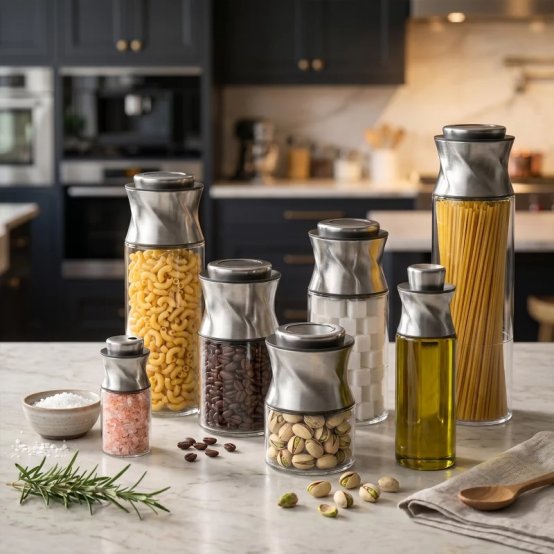
The global kitchenware market is undergoing a profound transformation in 2026. No longer restricted to mere utility, modern consumers view kitchen tools as an extension of lifestyle aesthetics and personal health values. This shift is driving significant evolution among kitchenware manufacturers, who must now balance industrial-scale production with artisanal design sensibilities. The convergence of multi-material engineering, ergonomic precision, and sustainable sourcing defines the current landscape.
Aesthetic Meets Functionality in Modern Designs
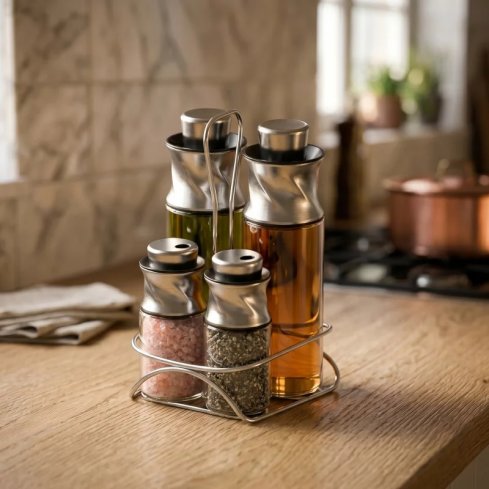
The prevailing kitchenware trends for 2026 emphasize a departure from single-material products toward sophisticated, multi-material integration. The traditional reliance on plastic is fading, replaced by a preference for high-quality borosilicate or soda-lime glass and food-grade stainless steel. This movement is not purely aesthetic; it is rooted in a consumer demand for longevity, chemical safety, and tactile premiumization.
The Fusion of Glass and Stainless Steel
Aelga has pioneered a cross-material integration design system that harmonizes the clarity of glass with the structural integrity of metal. By combining high borosilicate glass—renowned for its thermal shock resistance and odor-free properties—with 201 or 304-grade stainless steel, products achieve a level of durability and visual appeal that single-material alternatives cannot match.
Sustainable and Eco-friendly Material Choices
Environmental consciousness is no longer a niche preference but a core driver of the kitchenware market. High-quality borosilicate glass is increasingly favored for being 100% recyclable and free from harmful BPA or phthalates. Professional kitchenware manufacturers are responding by developing products that serve multiple life cycles, reducing the reliance on disposable storage and promoting a circular kitchen economy.
Innovation in Storage and the Redefinition of Freshness
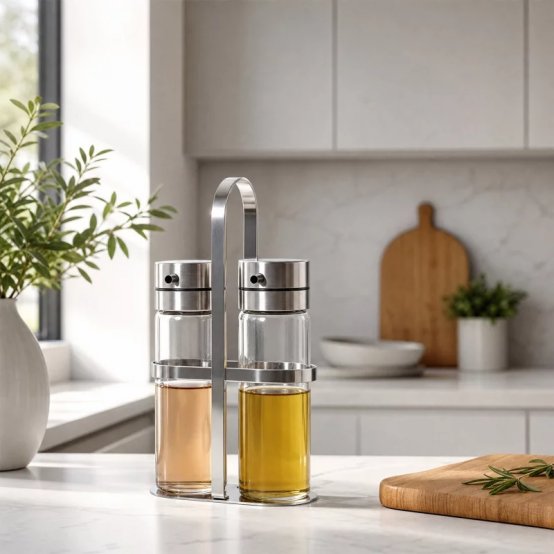
In 2026, the standard for food preservation has moved beyond simple airtightness. Professional food storage container manufacturers are now integrating mechanical innovations to ensure maximum nutrient retention and user convenience.
The Rise of One-Press Sealing Technology
A significant breakthrough in this sector is the transition from traditional screw-top or clip lids to self-designed press-type sealing caps. This innovation allows for effortless, one-handed operation while creating an instantaneous vacuum-like seal that effectively isolates moisture and air. The Time Space series by Aelga exemplifies this trend, utilizing a high-quality stainless steel press lid paired with a precision silicone ring to extend the shelf life of dry goods like coffee beans, oats, and nuts.
Systematic Kitchen Organization
Storage is evolving from isolated jars into comprehensive, systematic collections. Modern pantry management requires a diverse range of capacities to accommodate various ingredient volumes. Industry-leading collections now provide:
· Compact sizes (330ml to 390ml) for spices and specialty teas.
· Medium capacities (710ml to 990ml) for sugars and grains.
· Large-scale solutions (1300ml to 1640ml) for flour, pasta, and bulk snacks. This modularity allows consumers to create a cohesive visual language across their kitchen environment.
Consumer-Centric Design for Daily Precision
The details of daily food preparation—pouring oil, dispensing spices, and grinding peppercorns—are being refined through ergonomic and mess-free solutions. These micro-innovations are what differentiate premium brands in a crowded marketplace.
Ergonomic and Mess-Free Solutions
The demand for clean countertops has led to the development of drip-proof condiment dispensers. For example, the Swallowtail series features an elegant silhouette inspired by formal gowns, providing a sleek bottle design that ensures smooth pouring and reduces waste. Similarly, the Adaire series utilizes an ergonomic oval gemstone-inspired design, offering a comfortable, non-slip grip for olive oil and vinegar dispensing.
Aesthetics for the Modern Home
Kitchenware is increasingly serving a dual purpose as functional decor. The Penguin series manual grinder transforms a standard kitchen tool into a whimsical, aesthetic piece. By using a penguin-shaped silhouette combined with a transparent glass body and stainless steel casing, Aelga proves that utility can be infused with personality and fun.
The Role of Professional Manufacturers in the Global Supply Chain
The stability and growth of the global kitchenware market rely heavily on the research and development prowess of established manufacturers. Aelga, founded in 2006, serves as a prime example of an innovation-driven OEM and ODM partner that balances high-volume production with award-winning design.
Conclusion
The kitchenware industry in 2026 is defined by the intersection of material science, mechanical innovation, and emotional design. As consumers continue to prioritize health and home aesthetics, the demand for high-quality, multi-material systems will only accelerate. By fostering an ecosystem of industrial symbiosis and maintaining a relentless focus on zero-defect quality, leaders like Aelga in the kitchenware market are not just selling tools; they are enhancing the harmony of the modern home.
To explore how these innovations can transform your product portfolio, please contact us.
FAQ
Q: What makes Aelga a leader among kitchenware manufacturers?
A: Aelga distinguishes itself through nearly two decades of experience, a 5% annual reinvestment in R&D, and a unique "cross-material integration" design system. Holding over 100 patents and prestigious awards like the iF Design Award, Aelga maintains global standards as a trusted partner for retail leaders like IKEA and Walmart.
Q: How does the kitchenware market influence product materials in 2026?
A: The current market trends prioritize safety and durability, driving a shift toward high borosilicate glass or soda-lime glass and food-grade stainless steel. These materials are favored for being BPA-free, odor-resistant, and aesthetically superior to traditional plastics, reflecting a broader consumer movement toward sustainable and premium kitchen solutions.
Q: Why should retailers choose professional food storage container manufacturers for OEM?
A: Professional food storage container manufacturers offer systematic product development, including modular sizes and advanced sealing technologies like press-type lids. Their adherence to ISO quality systems ensures that products are safe for global distribution and meet the "zero-defect" expectations of modern consumers.
Q: What are the top kitchenware trends for seasoning tools this year?
A: Key trends include the integration of ergonomic, non-slip designs and adjustable dispensing lids. Collections like the Latin series feature stainless steel leather covers for better grip, while rotating lids with multiple hole sizes allow for precise control over salt, pepper, and spices, catering to a mess-free and efficient cooking experience.
Q: How does Aelga ensure product safety and quality for the global market?
A: Aelga employs a comprehensive quality management system covering raw material traceability and final inspection, strictly complying with ISO 9001, 14001, and 45001. This rigorous internal "zero-defect" goal ensures that every item, from oil dispensers to glass storage jars, meets international safety and durability standards.